
Introduction – Lighting Up Suki Village with Solar Power
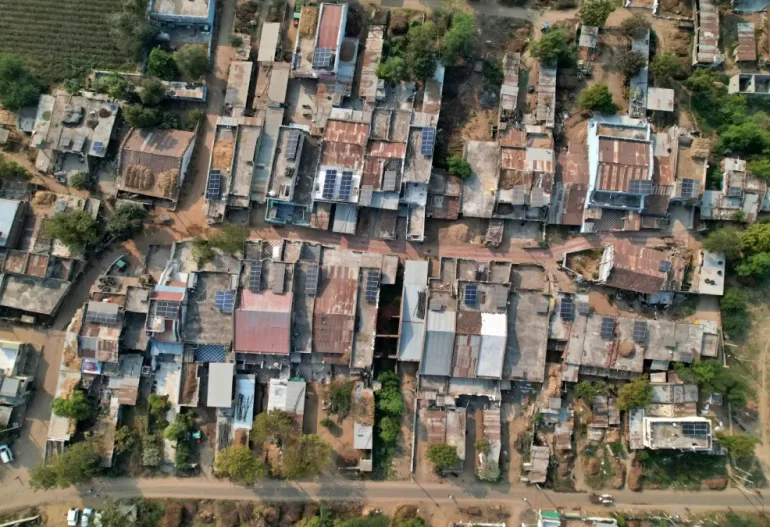
Picture a village where every home, every common space, and even the local dairy runs on clean solar power. A place where electricity bills are no longer a burden, power cuts are a thing of the past, and the environment breathes easier because people have embraced sustainability. That’s exactly what has happened in Suki village of Kheda district, Gujarat.
Once like many rural settlements struggling with unreliable electricity, Suki has today earned a historic recognition—it has become Gujarat’s third and Kheda’s very first fully solar-powered village. This milestone was made possible by Jalark Solar Solution OPC Private Limited, working under the government’s flagship renewable energy program, the Pradhanmantri Surya Gruh Yojana.
The project is not just about technology—it is about community spirit, perseverance, and a vision for a brighter tomorrow. Villagers themselves contributed money to install solar systems on their temple and dairy, making this transformation a shared achievement. Today, when the rooftops of Suki glitter with solar panels, it is a proud reminder that collective effort can turn sustainability into reality.
The Road to Becoming a Solar Village
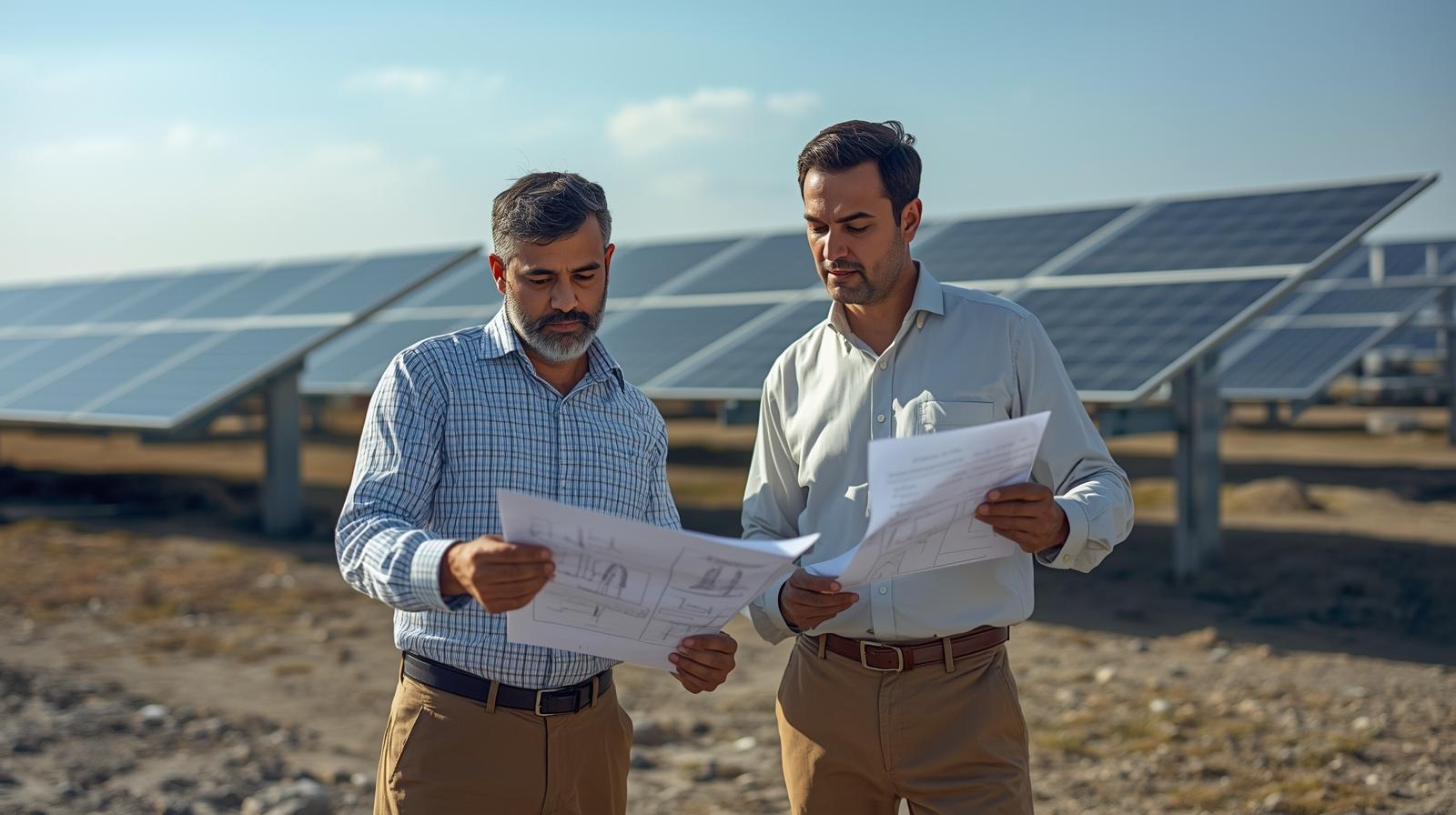
Transforming Suki into a solar-powered hub was a carefully planned journey. Jalark Solar Solution began with energy surveys, checking consumption patterns and rooftop suitability. Each household and community building was studied in detail.
The installation phase came next. Rooftop systems were set up across homes, the temple, and the dairy. Each installation was tailored to meet the specific energy needs of the building. For example, while households required smaller systems for lights and fans, the dairy needed a system robust enough to power cooling equipment and machinery.
The company didn’t just install panels—it also educate villagers. Awareness sessions were conducted to explain how the systems worked, how to maintain them, and why solar was more reliable than conventional electricity.
Step by step, Suki transitioned into a village where every rooftop glistened with panels. Within months, the dream of becoming fully solar-powered became reality.
Struggles Faced During the Project
Such a milestone was not without challenges:
- Financial Limitations: Even with government subsidies, funding an entire village’s transition to solar required significant resources. Jalark Solar Solution had to combine its own investment with community contributions and policy support.
- Technical Barriers: Many rooftops were not structurally ready for solar panels. Engineers had to design customized mounting solutions and, in some cases, strengthen rooftops.
- Convincing the Villagers: At first, many villagers were skeptical about whether solar could truly replace traditional electricity. The team had to win their trust through various camps held for demonstrations and discussions.
- Logistics and Execution: Transporting panels and equipment to the village, setting up structures in narrow lanes, and managing installations in varying conditions were logistical hurdles that required patience and persistence.
- Despite these obstacles, the project was completed successfully, showcasing the commitment of Jalark Solar Solution and the resilience of the community.
Community Participation and Contributions
The turning point in the project came when villagers themselves decided to contribute. Instead of waiting for external funding, they pooled resources for installing solar on the temple and dairy.
This step created a deep sense of ownership and pride. The temple, being the spiritual heart of the village, and the dairy, being the economic lifeline, represented two pillars of community life. By powering them through donations, villagers showed that they were not passive beneficiaries but active drivers of change.
It also created trust. When one family saw another contributing, they felt encouraged to do the same. Slowly, solar became not just a project but a collective mission embraced by all.
Solar-Powered Temple – A Symbol of Faith and Sustainability
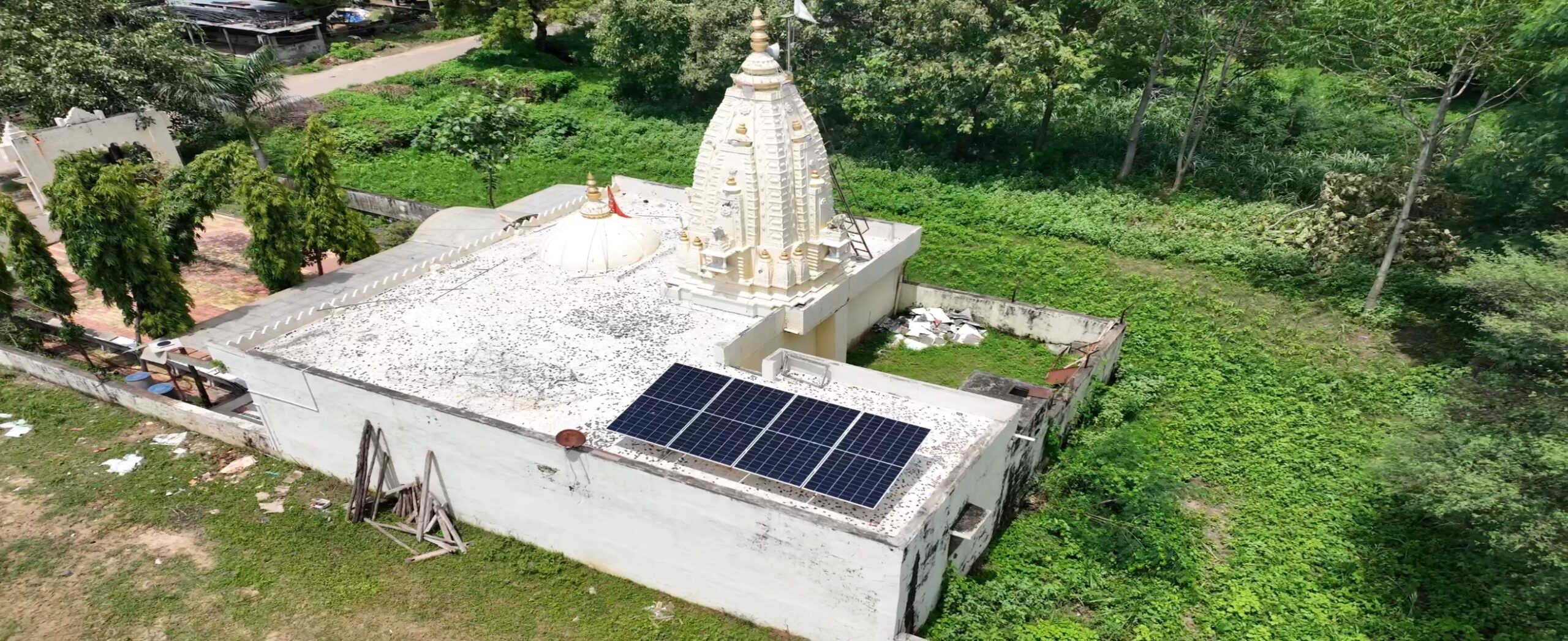
The solarization of the temple carried symbolic power. Temples are places of devotion, but in Suki, the temple also became a symbol of progress.
By running the temple on solar energy, the community combined faith with sustainability. The temple’s lights now glow without interruption, festivals are celebrated with full illumination, and electricity costs are no longer a burden.
Villagers proudly donated toward this cause, believing that powering the temple with solar aligned with both their spiritual values and environmental responsibility.
Solar-Powered Dairy – The Backbone of the Village Economy
If the temple represents faith, the dairy represents livelihood. In Gujarat’s villages, dairies are more than just collection centers for milk—they are the economic backbone that supports hundreds of families.
Before solar, the dairy in Suki often struggled with power cuts. Cooling equipment and basic machinery would stop, risking the quality of milk and causing financial losses. High electricity bills also ate into profits.
With the new solar-powered rooftop system, the dairy now enjoys uninterrupted power supply. This has ensured:
- Proper functioning of milk cooling and storage systems.
- Reduced electricity expenses, improving profits for farmers.
- Smooth daily operations, without fear of outages.
- A model for other dairies in neighboring villages.
The villagers funded this system collectively, making it not just an infrastructure upgrade but a symbol of self-reliance and cooperative strength.
Economic Benefits for Villagers
The solar transformation has brought measurable financial benefits:
- Lower Bills: Families now pay minimal electricity charges, saving money each month.
- Income Opportunities: Local youth trained in solar installation and maintenance found new employment opportunities.
- Energy Independence: Solar rooftop installations have empowered residents to generate their own electricity,
enhancing energy independence and reducing reliance on external power grids. Improved Quality of Life - Business Growth: Small shops and local businesses enjoy uninterrupted electricity, boosting productivity and income.
In short, solar power has improved financial stability and opened new economic doors for the villagers.
Environmental Impact of the Project
Suki’s solar project is not just an economic win—it is a step toward environmental sustainability.
- The village has significantly reduced it’s carbon footprint, cutting emissions from coal-based electricity.
- No longer dependent on diesel generators, the air is cleaner and healthier.
- By relying on renewable energy, the village has contributed directly to India’s climate goals.
For a farming community dependent on nature, protecting the environment is not a luxury but a necessity. With solar, Suki has taken a responsible step toward protecting both its land and its future.
How Jalark Solar Solution Overcame Challenges
The success of this project lies in the way Jalark Solar Solution tackled problems:
- Used government subsidies under the Pradhanmantri Surya Gruh Yojana to reduce financial burden.
- Designed custom rooftop structures to adapt to varying house conditions.
- Conducted awareness sessions to win villagers’ trust.
- Involved villagers directly, ensuring ownership and sustainability of the project.
This combination of technical skill and community engagement proved to be the winning formula.
Recognition and Milestones
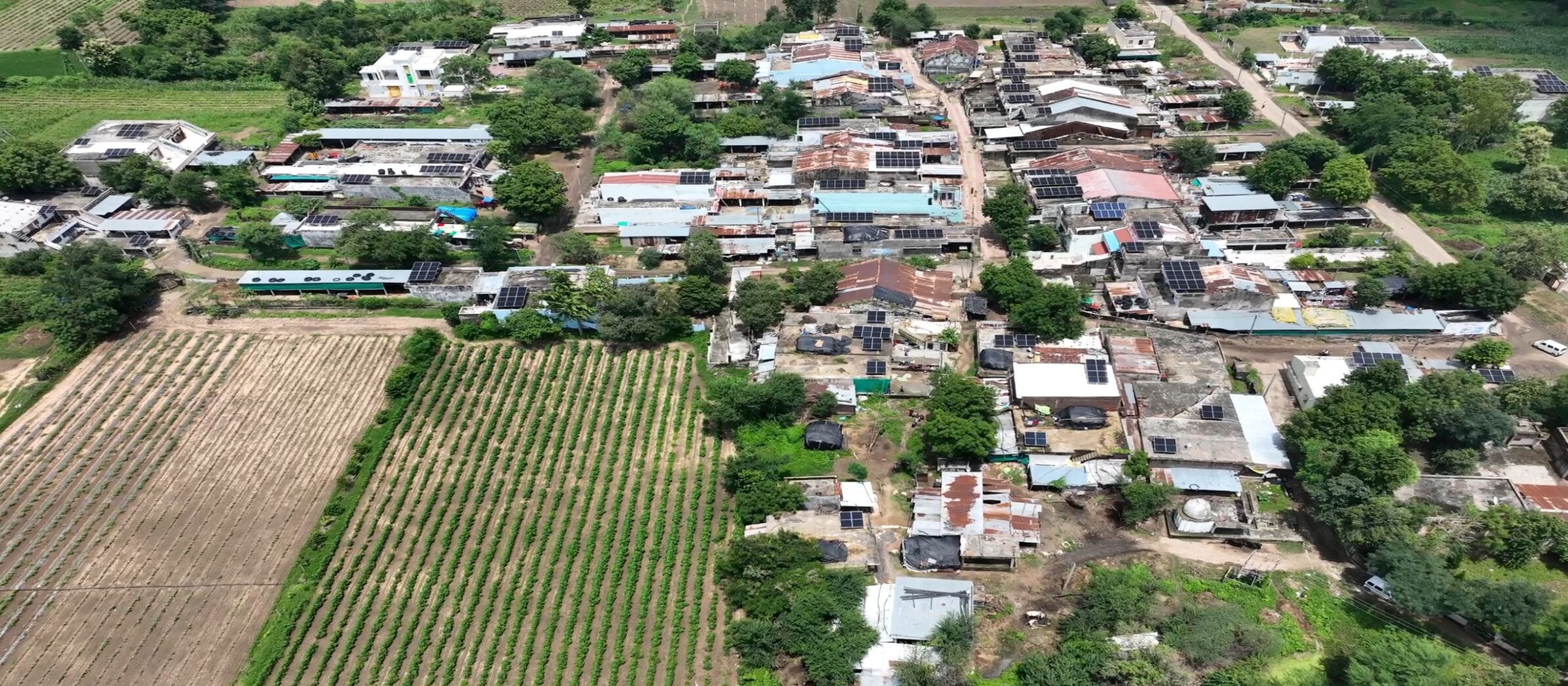
Becoming Kheda’s first and Gujarat’s third fully solar-powered village has brought Suki well-deserved recognition. The project was covered in local media and praised as a model for rural electrification.
For Jalark Solar Solution, this is a milestone achievement, proving its capacity to deliver projects that combine policy, technology, and people power.
The Future of Solar Villages in India
With initiatives like Pradhanmantri Surya Gruh Yojana, India is encouraging villages to adopt solar power. Suki shows how government schemes, private companies, and communities can work together to create fully solarized villages.
Scaling this model across the country can bring reliable electricity, reduce environmental damage, and empower rural economies.
Conclusion – Suki Village as a Beacon of Hope
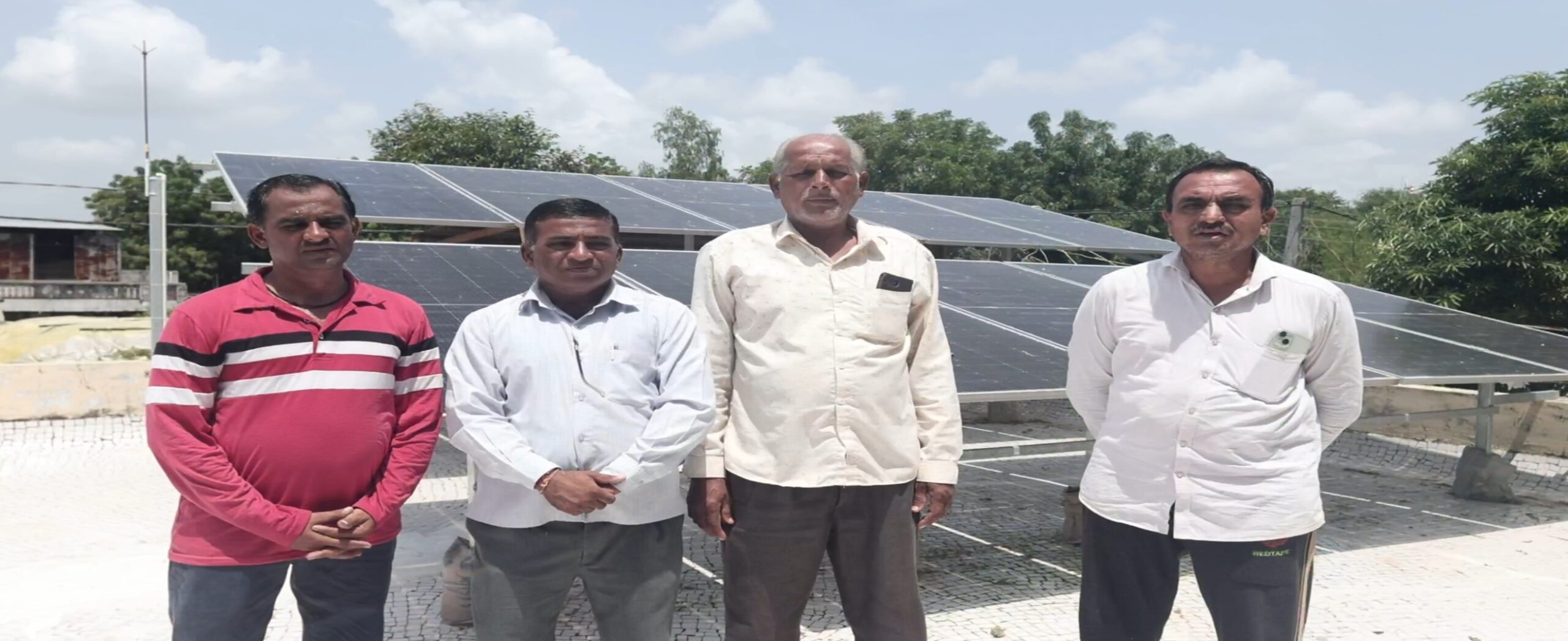
Suki’s journey proves that when vision meets community spirit, transformation is possible. From unreliable power and high bills, the village has risen to become a shining example of sustainability.
Thanks to Jalark Solar Solution OPC Private Limited, the Pradhanmantri Surya Gruh Yojana, and the contributions of villagers, Suki today runs entirely on solar. Its temple glows with faith, its dairy thrives with power, and its homes shine with pride.
Suki is not just Gujarat’s third solar village—it is a symbol of what the future of rural India can look like.


